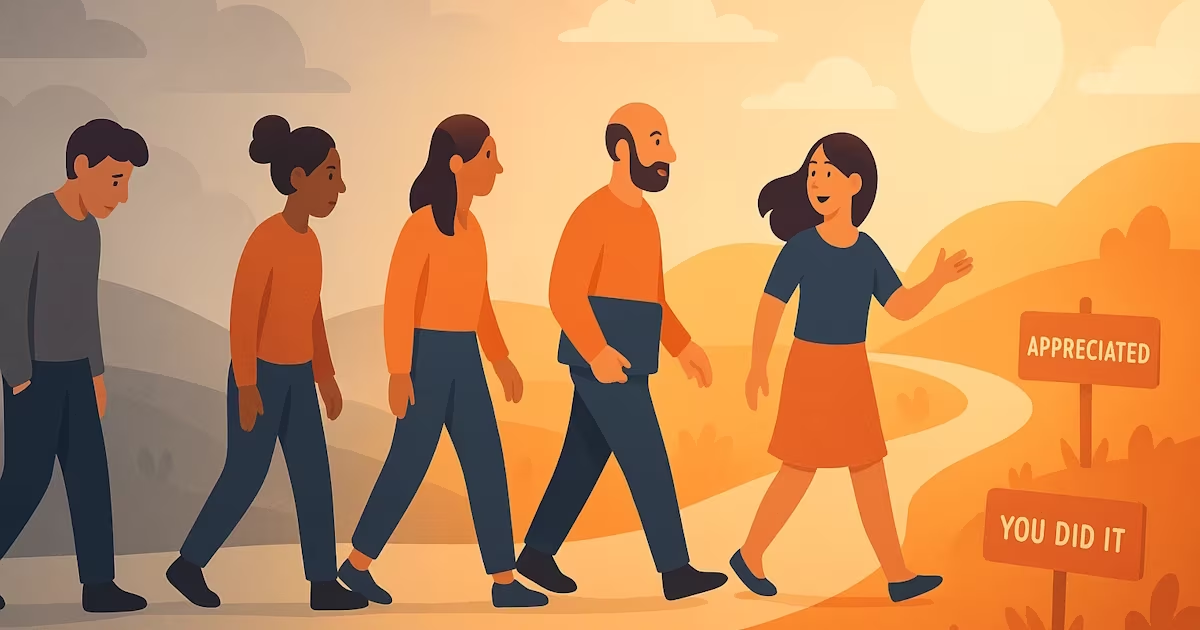
Stuck in a slump? Help your team see its wins again
When nothing feels like a win
Some sprints just feel heavy.
You wrap up the retro and nobody seems energized. Stand-ups are dry. Everything feels like a slow grind, even when the team is delivering.
That isn't always a performance problem. Sometimes the team has stopped noticing what's going well. Things are working, they're just hard to see.
Why teams lose sight of the good
Nobody ignores wins on purpose, but a few patterns make them hard to see:
- Negativity bias. Our brains pay more attention to problems than to progress.
- Burnout. When people are drained, even big wins feel like just another task.
- Process over people. A constant focus on improvement can make teams feel like they're never good enough.
- No recognition. Without it, effort becomes invisible.
Recognition makes a measurable difference. Forbes reports that employees who feel appreciated are 2.7 times more likely to be highly engaged.
Signs your team might be stuck
- Stand-ups feel like status reports
- Retros only cover what went wrong
- People say "we didn't really accomplish anything"
- Wins get dismissed or skipped over
The team is getting work done but doesn't feel its progress.
How to help your team see the wins again
1. Reframe the retro
Start with one question:
"What's one small thing that went better than expected?"
Rotate facilitators so the same person doesn't set the tone every time.
2. Try a bright spots ritual
Start a weekly thread or kudos board. Celebrate things like:
- Unblocking a teammate
- Handling feedback well
- Solving a small, messy bug
Keep it casual, and keep it going every week.
3. Make appreciation a habit
Encourage peer-to-peer recognition. Tools like esteam.life build it into the sprint.
4. Look back as well as forward
In retros, ask:
"Compared to last sprint, what did we improve?"
Look at quality, collaboration and even how people felt.
5. Talk about energy as well as output
Ask how the sprint felt:
"What drained us? What gave us energy?"
The answers tell you things a burndown chart can't.
Why it works
- Appreciation triggers dopamine, which is linked to morale and motivation
- It builds psychological safety, so people take more risks
- It reminds people that what they do matters
Once a team sees its wins again, it starts moving forward again.
There are always wins if you look for them
Not every sprint will be perfect, but every sprint has something worth celebrating. Start small, celebrate effort as well as outcomes, and make appreciation part of the team culture.
Your team might be doing better than it thinks. It may just need help seeing it.